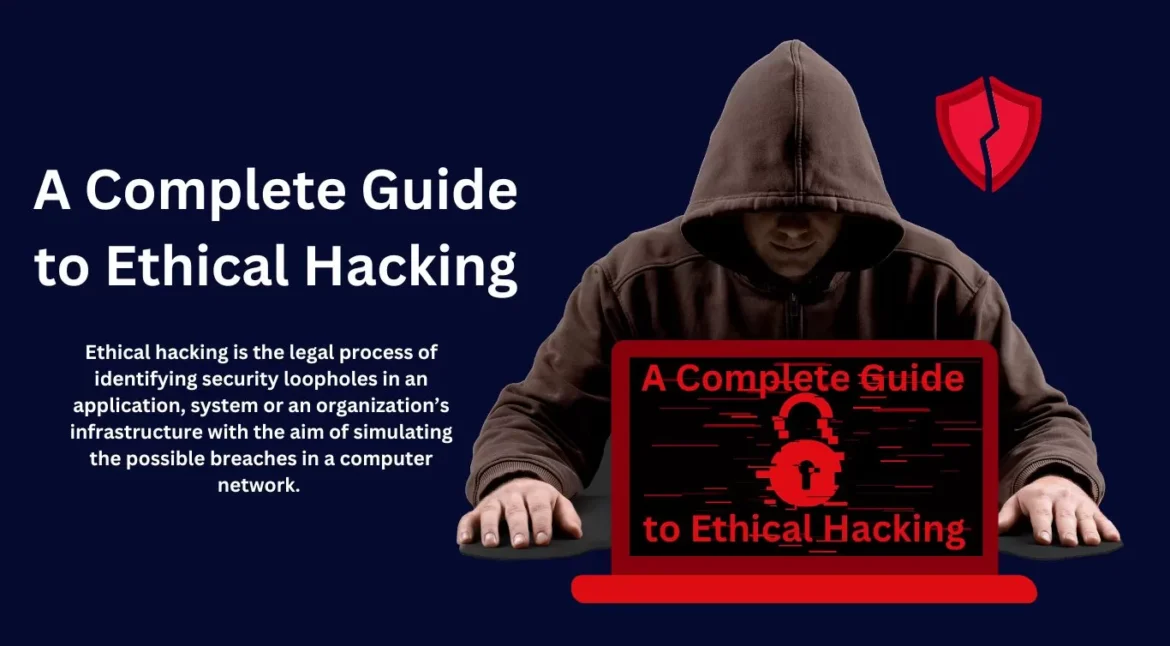
Ethical Hacking and Penetration Testing: Exploring the World of White Hat Hackers
In today’s digital era, organizations rely heavily on technology for operations, communication, and data storage. This dependency has made them targets for cybercriminals. To combat these threats, companies hire ethical hackers—professionals who simulate attacks to identify vulnerabilities before malicious hackers exploit them. This practice is called penetration testing or pen testing.
What is Ethical Hacking?
Ethical hacking is the process of intentionally probing systems, networks, and applications to discover security weaknesses. Unlike malicious hackers (black hats), ethical hackers operate with permission and aim to strengthen security rather than exploit it.

Types of Ethical Hackers
-
White Hat Hackers – Authorized security professionals who identify vulnerabilities ethically.
-
Gray Hat Hackers – Hackers who may exploit vulnerabilities but without malicious intent, often reporting issues afterward.
-
Red Team Specialists – Simulate full-scale cyberattacks to test an organization’s defense mechanisms.
-
Blue Team Specialists – Focus on defending systems and responding to attacks.
What is Penetration Testing?
Penetration testing is a structured approach to evaluate security by simulating real-world attacks. It identifies system weaknesses and assesses the effectiveness of defensive measures.
Key Types of Penetration Testing:
-
Network Pen Testing – Tests internal and external networks for open ports, weak passwords, or misconfigured devices.
-
Web Application Testing – Examines websites and apps for vulnerabilities like SQL injection, XSS attacks, and authentication flaws.
-
Mobile App Testing – Checks mobile applications for insecure storage, data leakage, and permission issues.
-
Wireless Network Testing – Analyzes Wi-Fi networks for encryption flaws and rogue access points.
-
Social Engineering Tests – Evaluates human vulnerabilities through phishing, pretexting, or baiting techniques.
Tools Used in Ethical Hacking and Pen Testing
-
Nmap – Network scanning and discovery tool.
-
Metasploit – Exploitation framework for testing vulnerabilities.
-
Wireshark – Captures and analyzes network traffic.
-
Burp Suite – Web application vulnerability scanner.
-
Aircrack-ng – Wireless network security testing suite.
-
OWASP ZAP – Open-source web application security scanner.
-
Kali Linux – A Linux distribution packed with ethical hacking and penetration testing tools.
The Penetration Testing Process
-
Planning & Reconnaissance
-
Define scope and objectives.
-
Gather information about targets (IP addresses, domains, network structure).
-
-
Scanning & Vulnerability Assessment
-
Identify live hosts, open ports, and potential weaknesses using automated tools.
-
-
Exploitation
-
Attempt to exploit vulnerabilities to understand potential damage.
-
Always done in a controlled, ethical manner.
-
-
Post-Exploitation & Reporting
-
Analyze access obtained and impact.
-
Document findings and recommend mitigation strategies.
-
Benefits of Ethical Hacking
-
Proactive Security – Finds vulnerabilities before attackers do.
-
Data Protection – Safeguards sensitive information and critical assets.
-
Regulatory Compliance – Helps meet standards like GDPR, HIPAA, or PCI-DSS.
-
Cost Savings – Prevents financial loss from potential cyberattacks.
-
Trust & Reputation – Builds confidence among clients and stakeholders.
Career Opportunities in Ethical Hacking
-
Ethical Hacker / Penetration Tester
-
Security Analyst / Security Consultant
-
Red Team / Blue Team Specialist
-
Vulnerability Assessment Expert
-
Cybersecurity Researcher
Skills Required: Networking, programming, operating systems, knowledge of hacking tools, problem-solving, and critical thinking.